
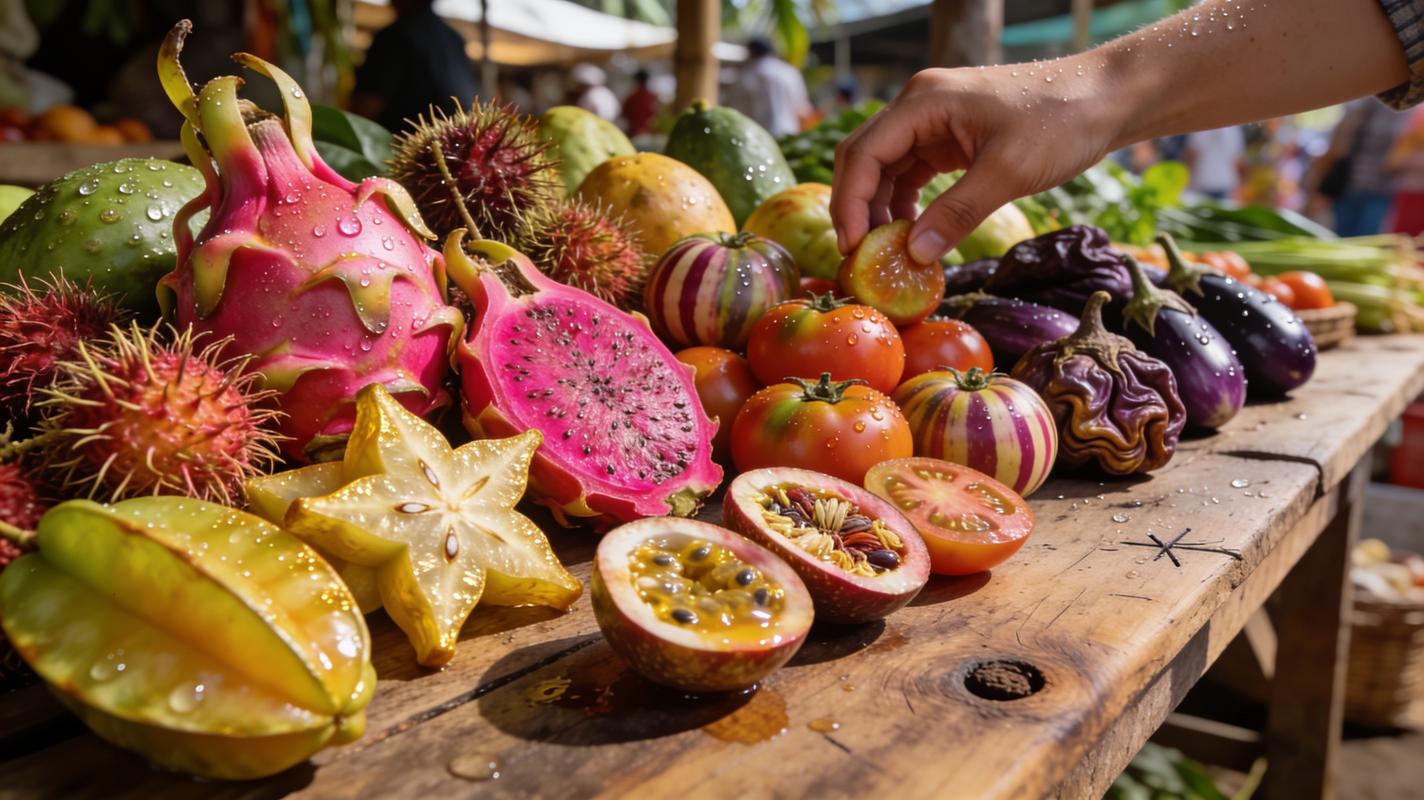
One of the greatest joys of traveling as a backpacker isn’t just seeing the sights—it’s tasting them. While famous landmarks draw the crowds, I’ve found that the true essence of a destination is often buried in its local produce. There is something profoundly satisfying about stepping away from the tourist-heavy restaurants and heading straight to the source to experience the raw, authentic flavors of a region’s horticulture.
When you travel on a budget, your food choices often become a mix of convenience and curiosity. But making an effort to seek out local fruits and vegetables transforms a simple meal into a cultural discovery. Whether it’s the pungent, custard-like texture of a durian in Southeast Asia, the crisp, refreshing bite of a prickly pear in Mexico, or the earthy sweetness of heirloom carrots in a European market, these foods offer a direct connection to the soil and the people who cultivate it.
The beauty of local produce lies in its imperfections and its intensity. Mass-produced grocery store goods often prioritize durability for shipping over flavor. Conversely, local, authentic produce is harvested at its peak. When you eat a fruit grown in the region you are currently exploring, you are tasting the specific sunlight, rainfall, and minerals of that exact patch of earth. It is, quite literally, the taste of the land.
So, how can you elevate your travel experience through horticulture without blowing your backpacker budget?
First, ditch the supermarket and head to the local wet market or farmers’ market. This is the heartbeat of any community. Not only is the produce significantly cheaper, but you’ll often find varieties you’ve never seen in a grocery store back home. Engage with the sellers. Even with a language barrier, a simple smile and a curious gesture can lead to a tasting opportunity or a recommendation on how to best prepare a strange-looking root or fruit.
Second, embrace the “flash travel” mindset when it comes to seasonality. If you’re traveling through a region, observe what is piled high on the stalls. That is what is in season, and that is what will be at its most affordable and flavorful. Ask locals, “What is the fruit of this season?” Their answers often lead to the most memorable culinary moments of the entire trip.
Third, consider a low-cost culinary detour. Look for small, family-run cafes or street stalls that use fresh, seasonal ingredients rather than processed menus. If you’re feeling adventurous, try a farm-to-table experience that isn’t a luxury resort tour. Sometimes, simply visiting a rural village and watching how people use local greens in their daily soup can teach you more about a culture’s history and resilience than any museum.
Learning about horticulture while on the move makes you more than just a tourist; it makes you a participant in the local ecosystem. You’ll gain a newfound appreciation for the hard work behind the food on your plate and return home with a palate enriched by the diverse, natural bounty of our planet. So, on your next adventure, let your appetite be your guide—and never be afraid to try that strange, colorful fruit sitting on the vendor’s table. It might just be the highlight of your journey.
Leave a Reply
You must be logged in to post a comment.